
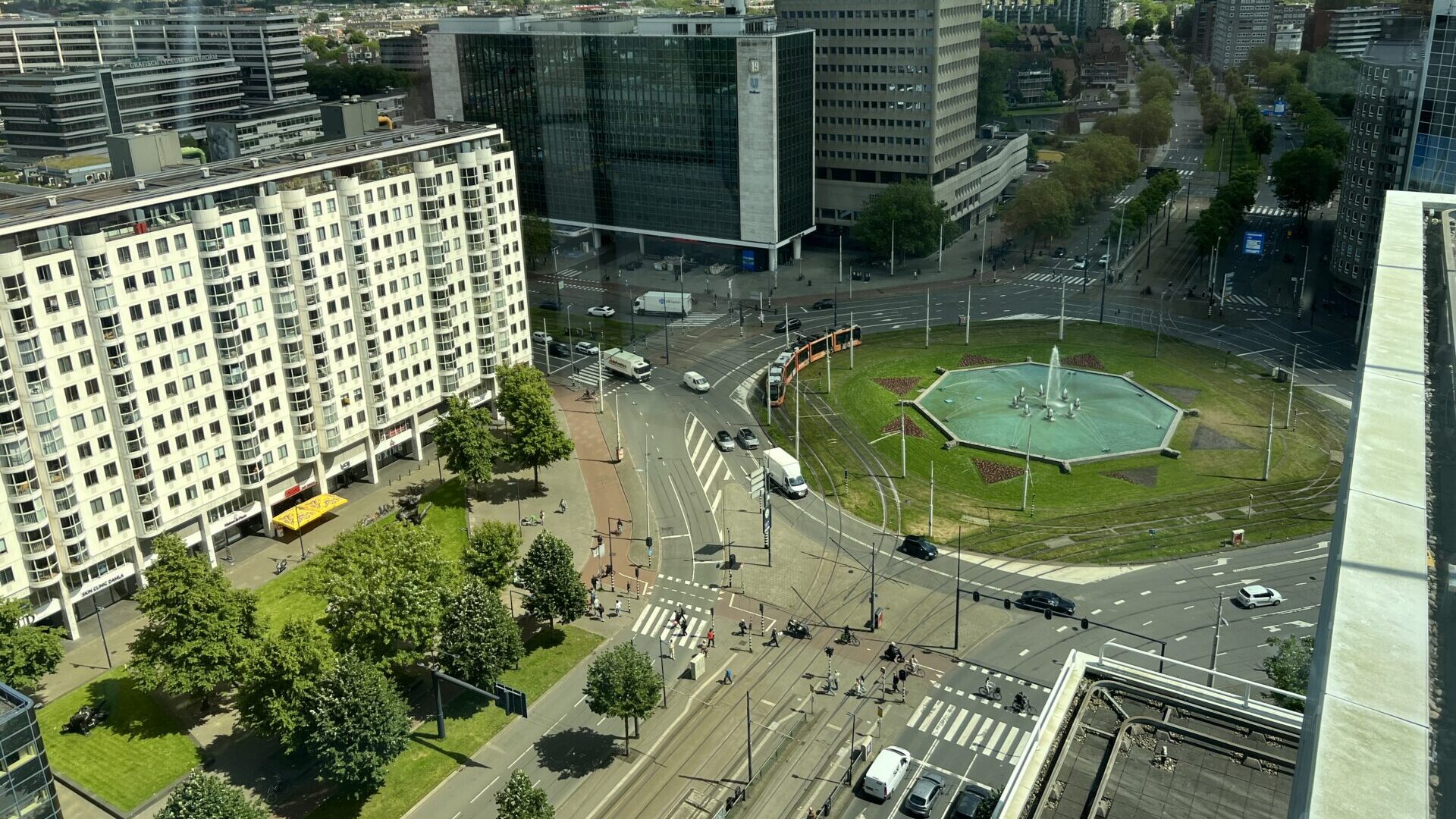
We’ve all had a close call: a sun glare hitting the windshield at just the wrong angle, a confusing intersection layout, or a car door opening unexpectedly. These things happen every day, and they happen to all of us. The truth is simple: people aren’t perfect, and we never will be. The real question is whether our streets are designed so that a small mistake stays small or becomes something life‑changing.
That idea is at the heart of what many transportation professionals call the “safety shift”: moving from a system that asks people to behave perfectly, to one that’s designed to protect people when life gets messy.
For decades, safety conversations have often focused on reminders: pay attention, slow down, follow the rules. While these messages are well‑intentioned, they place the burden on individuals in environments that may be confusing or unforgiving. A system built around perfect behavior inevitably falls short, because humans make mistakes.
On the other hand, Complete Streets design shapes how we all move. A street with clearer sightlines, shorter crossings, and calmer speeds reduces the odds that a minor error will lead to a serious crash. The most effective safety improvements are largely invisible: they simply make it easier for people to move predictably and see one another sooner.
Why Traditional Approaches Alone Aren’t Enough
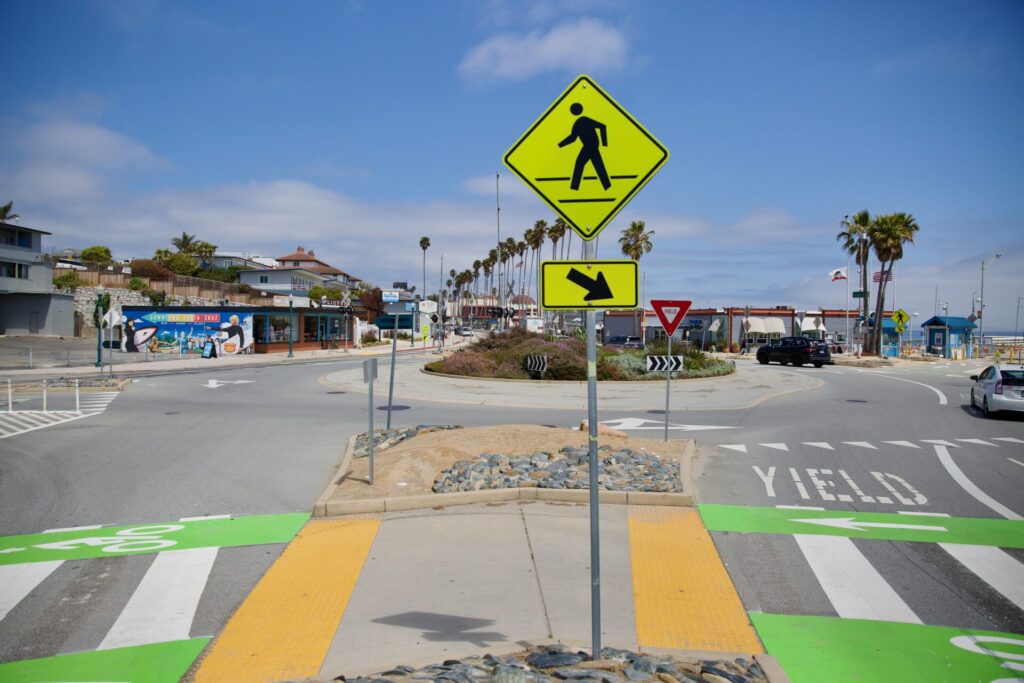
Signs, reminders, and enforcement all play a role, but they can only go so far. A sign can tell someone to slow down, but if the road feels wide and open, most people will naturally speed up. A crosswalk beacon can help someone cross, but if the crossing distance is long or drivers are turning quickly, risk remains.
Behavioral tools depend on constant attention; design tools reshape the environment so the right action is also the easiest and most intuitive one. Street design works 24/7, without relying on perfect awareness or perfect choices.
How Complete Streets Design Principles Changes the Outcome
A few design changes are especially powerful because they reshape what happens in those split‑second moments when things go wrong:
- Slower speeds give everyone more time to see, react, and stop. They also dramatically increase survivability if a crash does occur.
- Shorter crossings reduce how long someone is exposed in the roadway, especially for children, older adults, and people with limited mobility.
- Protected space—for walking, rolling, or biking—reduces the number of conflict points where paths intersect.
- Better visibility removes the surprises by improving sightlines and lighting.
- Predictable movements help drivers anticipate what others will do, reducing confusion at intersections and driveways.
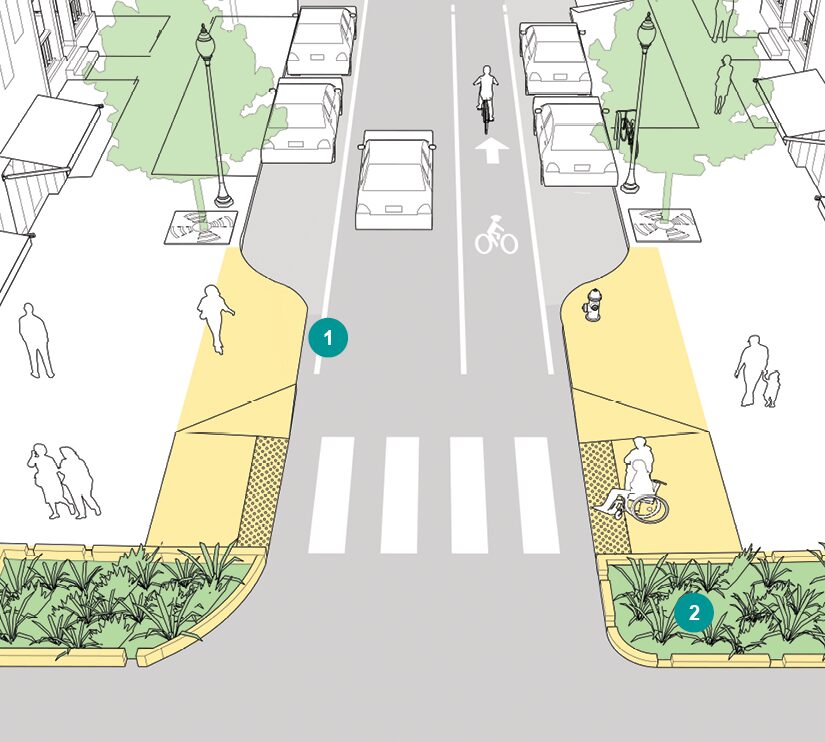
Each of these design elements addresses a common challenge that shows up in almost every community. They don’t require perfect behavior; they help shape better outcomes regardless of the moment. When there is a pattern of recurring issues that happen on our streets, with crossings, or speed, they are not accidents but features of the system. Those features can change, and safely, and mobility can improve as a result.
Design saves lives because people aren’t perfect.
In 2023, the California Office of Traffic Safety ranked Santa Cruz County roads as the most dangerous in California for cyclists, based on crash numbers, county population and vehicle miles traveled. Watsonville ranked fourth worst for pedestrian crashes, and Capitola ranked first for pedestrian crashes involving older adults and second for bike deaths.
Safer streets don’t require perfection—they require environments that make the safe choice the natural one. When design reduces the consequences of everyday mistakes, the result is a transportation system that works better for everyone, from drivers to kids walking to school. It’s a shift that strengthens community safety not through pressure, but through clarity and thoughtful design.