
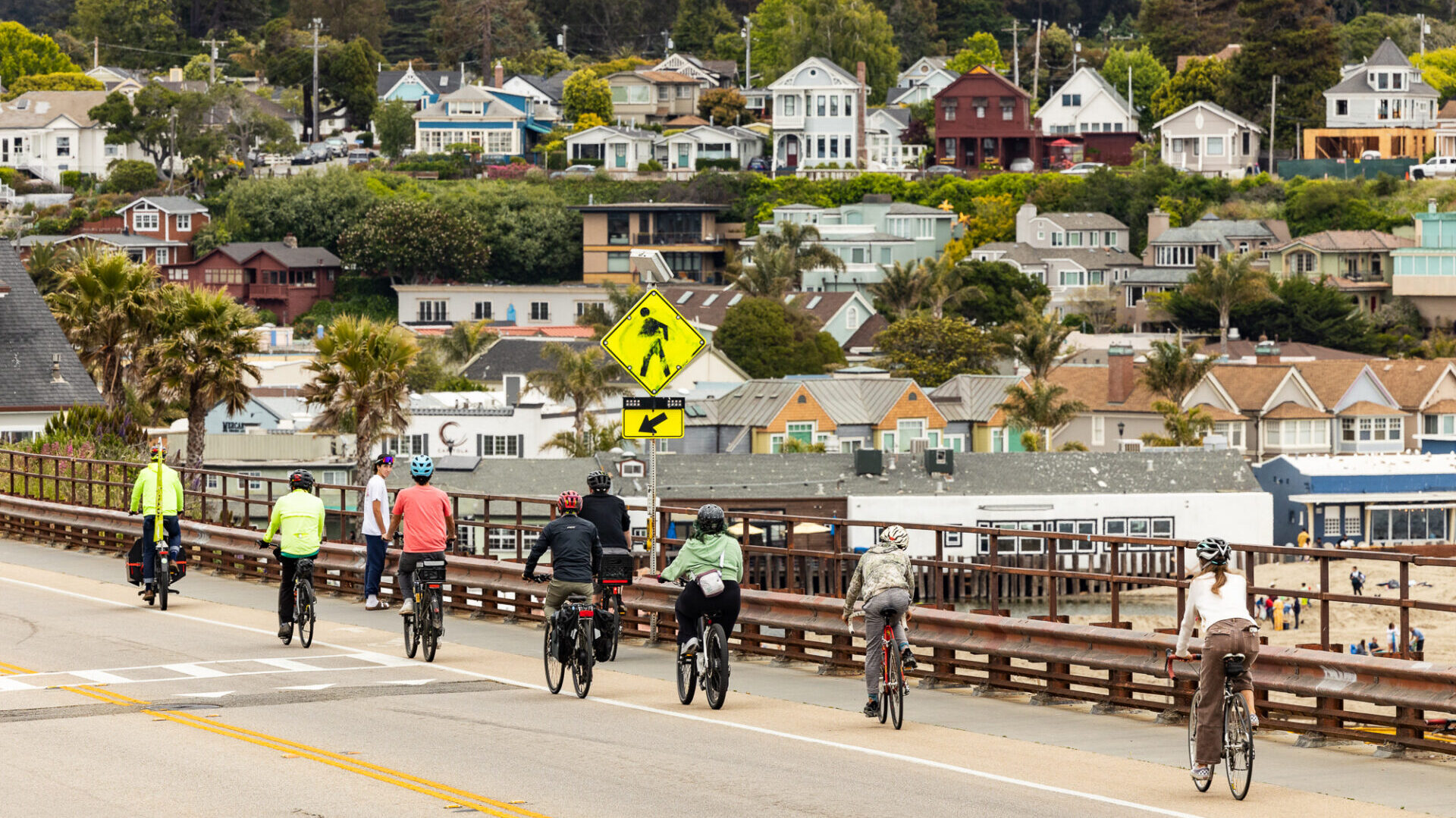
Most of us use the same streets in different ways, like driving to work, walking the dog, pushing a stroller, catching the bus, biking to school, or rolling across a crosswalk. The concept of “Complete Streets” is simply the idea that these everyday trips should be safe, comfortable, and straightforward for everyone, regardless of age, ability, or how they get around.
While the term can sound technical, at its core, Complete Streets simply reflect how a community actually moves. It’s a street where the design matches the needs of the people who rely on it—whether that’s an individual driving their car or someone navigating the sidewalk with a mobility device.
Complete Streets focus on safety, access, and comfort. They are not a one-size-fits-all formula. What this means in a residential neighborhood may look very different from a busy shopping area or school. The goal is not to prioritize one mode of travel over another; it’s to make the street work well for all the people using it.
With Complete Streets, drivers benefit from clearer intersections, calmer traffic flow, and fewer sudden surprises. When everyone’s movement is more predictable, the street works better for people behind the wheel as well as people walking, rolling, or riding.
How People Experience a Complete Street
When you think about who benefits, it helps to picture daily life.
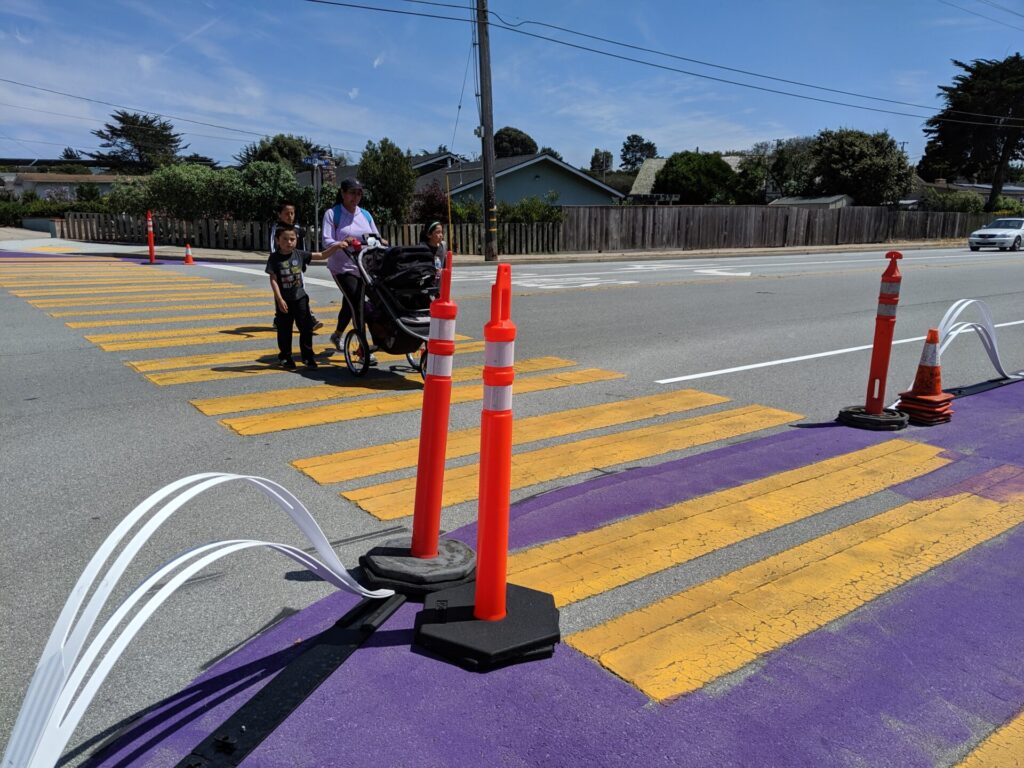
Parents may notice safer school crossings; the painted crosswalk that’s easier to see, or the wider sidewalk corner that slows turning cars. Older adults feel the difference in shorter crossing distances, smoother walking surfaces, and better nighttime lighting. People with wheelchairs rely on features such as curb ramps that align properly with the crosswalk or smoother, more continuous pathways. These details can determine whether a trip is independent or impossible.
And drivers tend to recognize the improvements even if they don’t know the term “Complete Streets.” A protected bike lane or a well-marked crossing reduces guesswork. A narrower travel lane encourages slower speeds. The overall effect is fewer conflict points, less last‑second braking, and a smoother trip through familiar corridors.
The Ingredients of a Complete Street
There’s no universal checklist, but most Complete Streets draw from a familiar set of design tools.
- Sidewalks that are continuous and accessible
- Curb extensions that shorten crossing distances
- High-visibility crossings that help people get to the other side safely
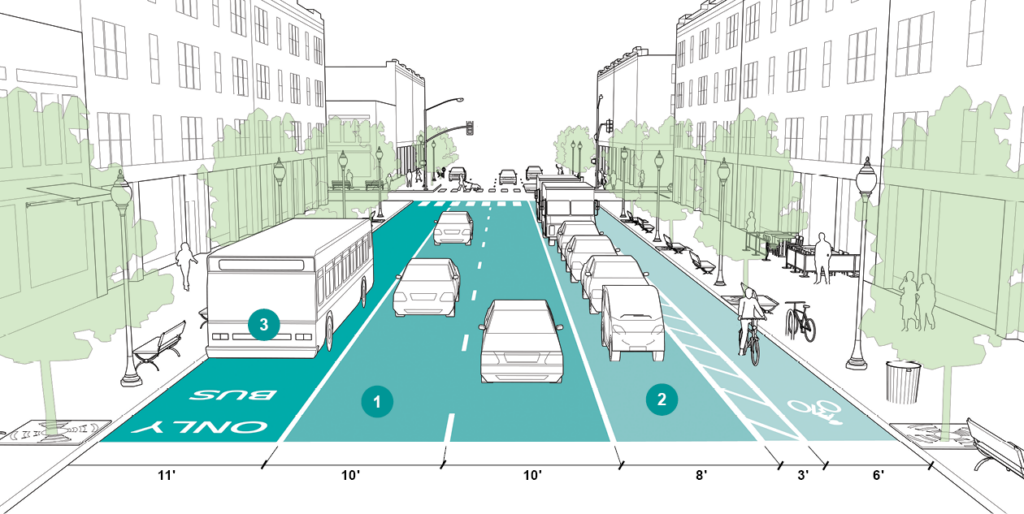
- Protected space for walking, rolling, or biking
- Transit access that’s easy to reach and comfortable to wait at
- Signal timing that gives people enough time to cross
- Street lighting for night-time safety
- Speed management tools that help keep traffic calm
- Shade + green infrastructure like trees and planters for comfort
A Street That Works for Everyone
Communities often feel the difference before they have words for it. A street with slower speeds, calmer movement, and clearer crossings simply feels easier to navigate. Fewer serious crashes mean fewer families facing life‑changing injuries. Business districts become more welcoming when people feel comfortable walking, pausing, or visiting multiple shops. Parents may start letting kids bike short distances. Older adults can cross without feeling hurried.
These everyday improvements add up. When streets are designed with safety and comfort in mind, neighborhoods become places where people feel more at ease moving through their day regardless of how they travel. Making walking, biking, and transit more comfortable and practical will help our community members navigate that way today and encourage more people to try tomorrow.
We encourage you to learn more about Complete Streets by visiting our webpage or subscribing to our newsletter. This is just the beginning of Complete Streets, and we hope you follow along and join us as we move towards safer streets for all!